
5 Strategic UX Moves to Reduce Cart Abandonment in the US—and Spike Your GMV
CAC is rising, but GMV isn’t keeping up. In the US market, tiny UX friction sends users straight to Amazon, Faire, or eBay. Here are 5 strategic UX moves—search, seller onboarding, checkout, retention, and trust—that reduce cart abandonment and unlock scalable GMV growth.

Etrexio Team
Editorial Team
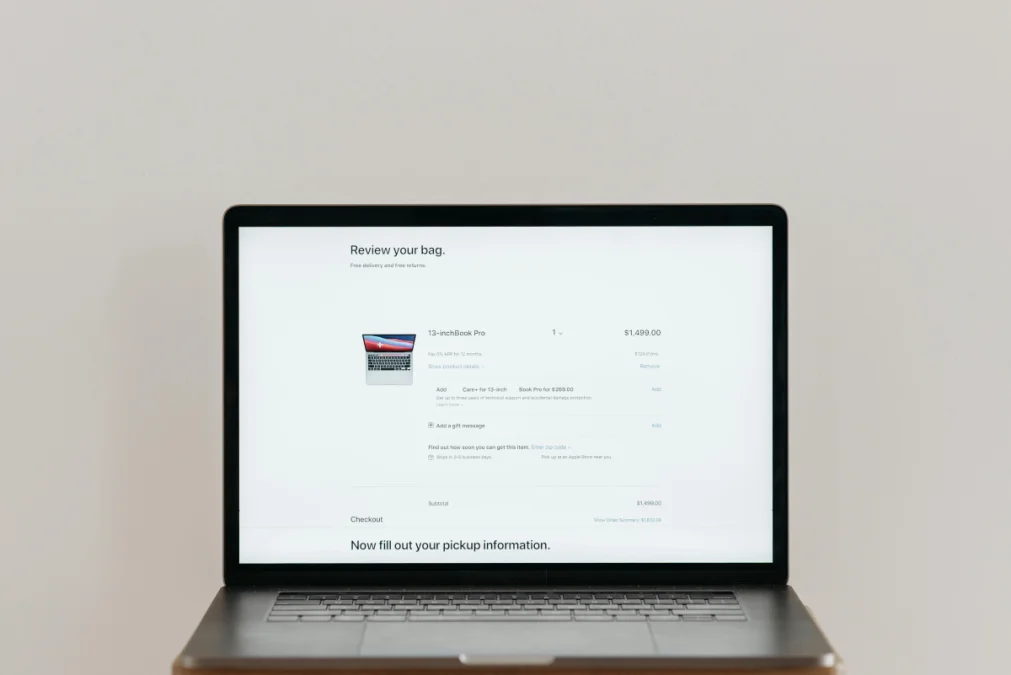
You built a solid MVP for the US market, onboarded sellers, and found early traction. But if your Customer Acquisition Cost (CAC) keeps climbing while Gross Merchandise Volume (GMV) doesnt grow at the same pace, youre likely burning budget on Google or Meta with a high burn rate.
The US market is unforgiving. The smallest bit of friction in your interface can push userswithin secondstoward Amazon, Faire, or eBay.
Whether youre B2B or B2C, if you dont execute the following five UX movesfrom the sales tax reality to payment habitsyoure effectively donating market share to competitors.
1) Match the Amazon Standard: Discovery UX thats fast and forgiving
US consumers have near-zero patience. The Amazon Prime culture has turned instant discovery and one-click buying into the baseline expectation. Whether you sell vintage apparel (B2C) or industrial parts (B2B), search has to work in milliseconds.
US business impact: A No results found page is often an immediate exit in the US market.
What to do: Implement fuzzy matching (typo tolerance) and semantic search (intent and context). Tools like Algolia or Meilisearch can help you return relevant results even when queries are imperfect. If a user searches for gray sneaker, your system should confidently surface silver running shoes and adjacent matchesinstantly, with zero perceived latency.
2) Solve legal pain with UX: Seller onboarding, KYC/KYB, and compliance
In the US, onboarding supply isnt just create a profile. It often includes W-9 forms, EIN/SSN validation, and Stripe Connect KYC/KYB flows. If you place that compliance wall in front of sellers like a brick, many will leave before they ever list a product.
US business impact: Complex KYC/KYB drives high supply-side drop-off. Missing tax data (e.g., for 1099-K reporting) can also create serious year-end IRS problems.
What to do: Design your seller panel UX with SaaS-level care. Break compliance into stages, use clear progress indicators, and gamify completion where appropriate. Instead of overwhelming sellers on day one, collect only the minimum required information until theyre close to their first salethen progressively request the rest. The goal is to reduce friction without compromising compliance.
3) The sales tax + payments wall: Frictionless checkout UX
The US doesnt have a single VAT rate. There are 50 statesand often countieswith their own sales tax rules. Surprise taxes at checkout and missing payment methods are conversion killers.

US business impact: Failing to support local payment habits at checkout can drive cart abandonment above 60%.
What to do:
- B2C: Prioritize Apple Pay, Google Pay, and especially BNPL (Affirm, Klarna, Afterpay). Make them visible earlydont hide them behind extra steps.
- B2B: Add ACH via Plaid to avoid credit card limits and reduce payment friction. Consider Net-30/Net-60 terms for qualified buyers.
- Tax calculation: Integrate Avalara or TaxJar to calculate state-level taxes (nexus rules) quickly and transparently. Show tax estimates early enough that users dont feel surprised at the final step.
4) Put loyalty on autopilot: Subscribe & Save (Retention UX)
The US is a subscription economy. Your most profitable customer is the one who comes backwithout needing to be re-acquired via paid ads every time. Forcing users to repeat the same checkout effort lowers Lifetime Value (LTV).
US business impact: The most reliable way to tolerate high CAC is to increase LTV.
What to do: Offer Subscribe & Save or Auto-Replenish across relevant products and flows. For B2B, invest in a one-click Reorder experience designed for procurement teamsfast, predictable, and aligned with how they actually buy.
5) Reduce fraud and chargeback anxiety: Trust UX
US consumers are comfortable filing chargebacks. Even small signs of amateur design or unclear policies can cause users to abandon checkoutor to dispute charges later.

US business impact: High chargeback rates can freeze your Stripe/PayPal account and halt operations.
What to do: Make trust signals explicit and consistent: US-Verified Seller badges, 30-Day Money Back Guarantee, and Secured by Stripe messaging. Pair that with a clean, Swiss-style (brutalist, low-noise) UI that communicates operational maturity. Trust isnt decorationits a conversion and risk-control system.
Conclusion: Design isnt aestheticsits a scaling lever
At Etrexio, we dont treat UX for US-focused marketplaces as nice buttons. We treat it as strategic architecture: the kind that hides complexityStripe Connect, state tax computation, and KYCso the end user barely notices, yet the business stays compliant and scalable.
If your traffic isnt converting into US-standard GMV, you can schedule an Architecture & UX Check-Up with Etrexio and start the shift that lowers burn rate and unlocks the next growth curve.
Related Perspectives
3 Strategic Decisions to Scale Your B2B Marketplace from 100 to 10,000 Sellers (Without Your System Collapsing)
You’ve proven your MVP with the first 100 sellers. The next phase—1,000 to 10,000—will break brittle architectures. Here are three strategic decisions that protect performance, margins, and valuation as you scale.

Doubling Profit Margins in 2026: 4 Strategic AI Moves to Put Your Marketplace on Autopilot
GMV is growing, but OPEX is eating your net margin. In 2026, the winners won’t hire more people—they’ll automate marketplace operations end-to-end with AI. Here are four high-leverage moves to scale profit, not headcount.